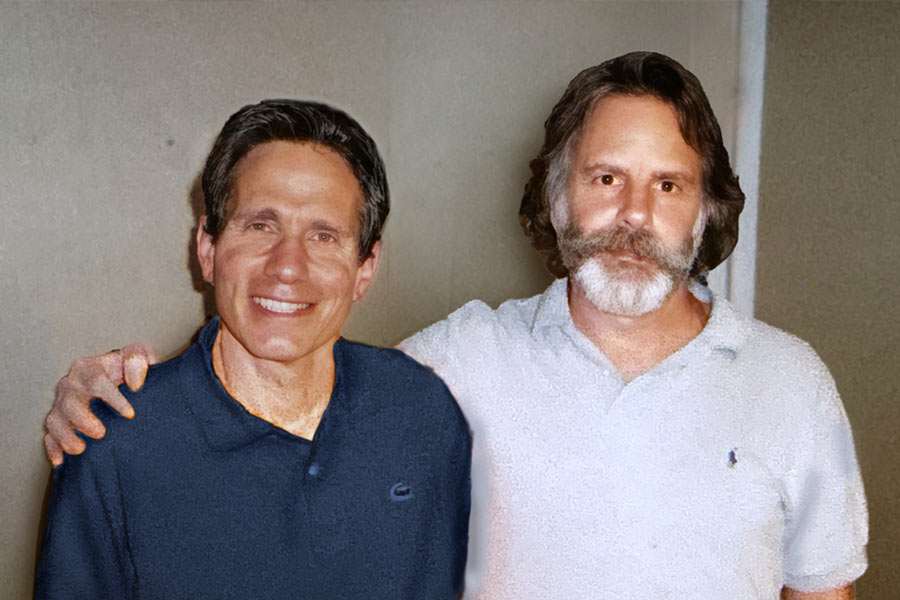
Bob Weir
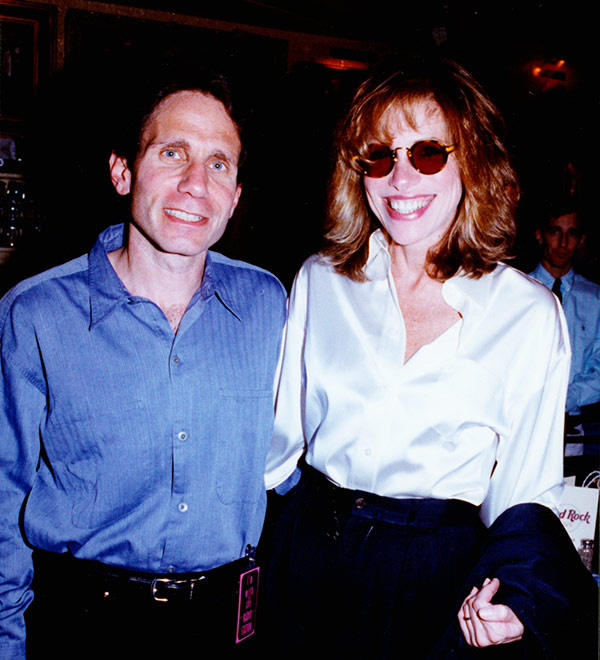
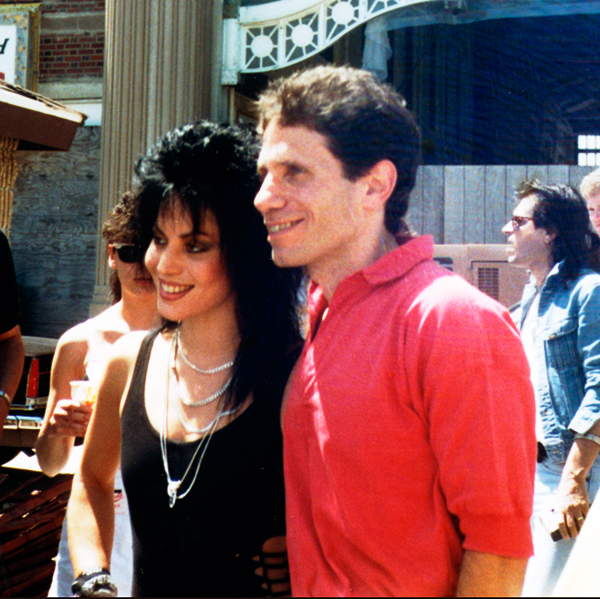
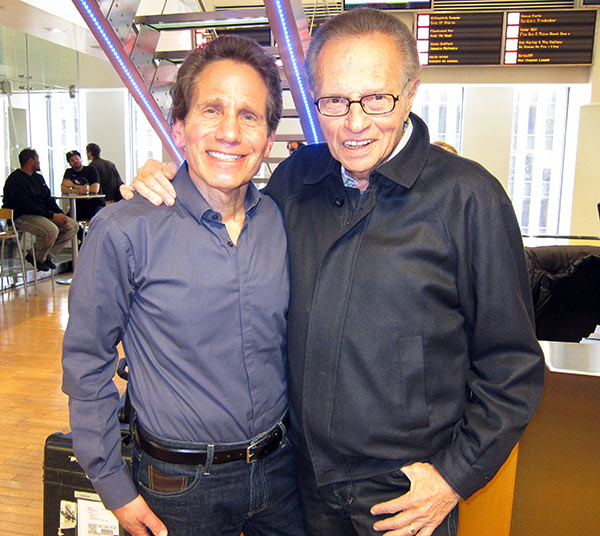
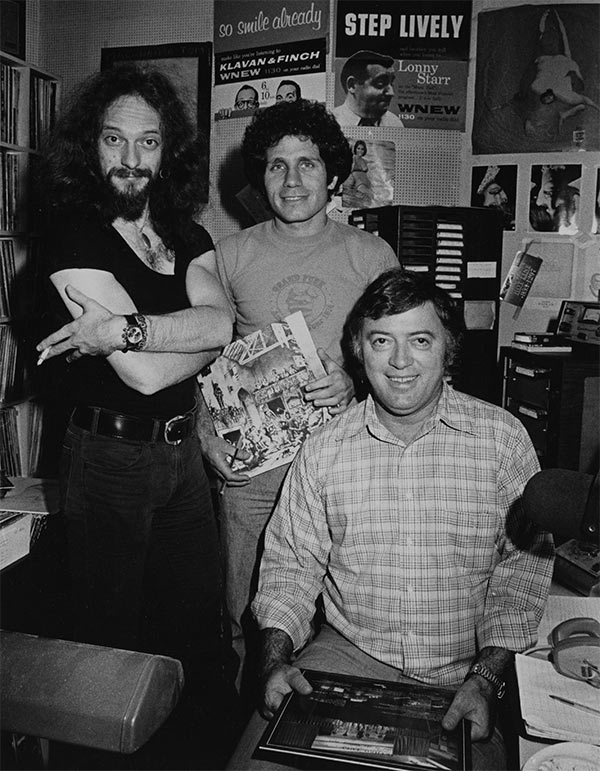
Bob Weir was a constant. Throughout my radio career I was lucky enough to talk with Bob at WNEW-FM, WFUV, and Sirius/XM, whether as a member of The Grateful Dead, Ratdog, Bobby and the Midnights, or more recently, Wolf Bros.
Each time we spoke he was thoughtful, gracious and focused on the music he was playing and the fans. When we spoke in June 2004, The Dead (at the time the latest incarnation of the original group,) were getting ready to leave for the Bonnaroo Festival in Manchester, Tennessee.
A live/studio compilation album had just been released (Weir Here – The Best of Bob Weir,) and it was the perfect opportunity to ask about some of my favorite Weir songs and the legacy of The Grateful Dead.
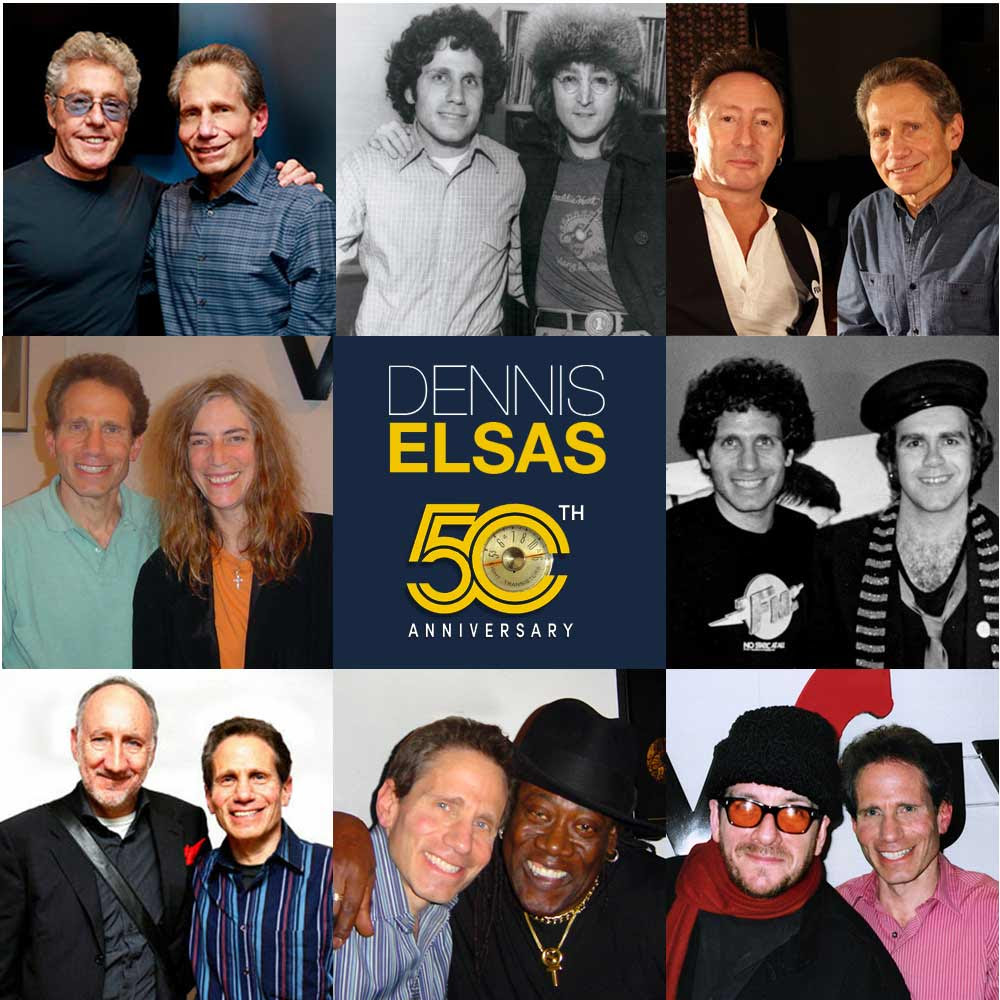
Celebrating 50 Years on New York Radio
Celebrating 50 years on New York radio, from my first overnight shift at WNEW-FM in July 1971 to my present gigs at WFUV and Sirius/XM.
Click here to listen to the four-hour celebration that includes highlights of my favorite conversations with artists such as John Lennon, Elton John, Joni Mitchell, Pete Townshend, Jerry Garcia and many more.
Plus, listen to this wonderful feature from WCBS NY:
ADDITIONAL COVERAGE:
>> New York Daily News
>> Best Classic Bands
>> WFUV 20th Anniversary
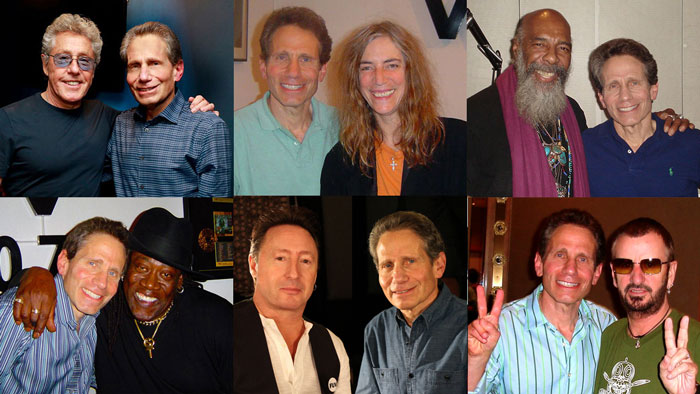
Celebrating 20 years at WFUV
I’ve been so fortunate to meet so many new artists and listeners over the past 20 years here at WFUV, and reconnect with so many more from my days working at WNEW-FM.
In July 2020 I shared some of my favorite conversations and performances from a wide variety of these performers, including Graham Nash, David Crosby, Ringo Starr, Elvis Costello, Patti Smith, Julian Lennon, Clarence Clemons, Richie Havens, Gary Clark Jr., Judy Collins, Crowded House, Indigo Girls, Ben Folds, Bill Wyman, Dion, Gregg Allman, Phoebe Snow, Robert Plant, The Lone Bellow, Roger Daltrey and Ronnie Spector. You can listen to the full broadcast below.
A big thank you to all the music fans who’ve been on this journey with me!
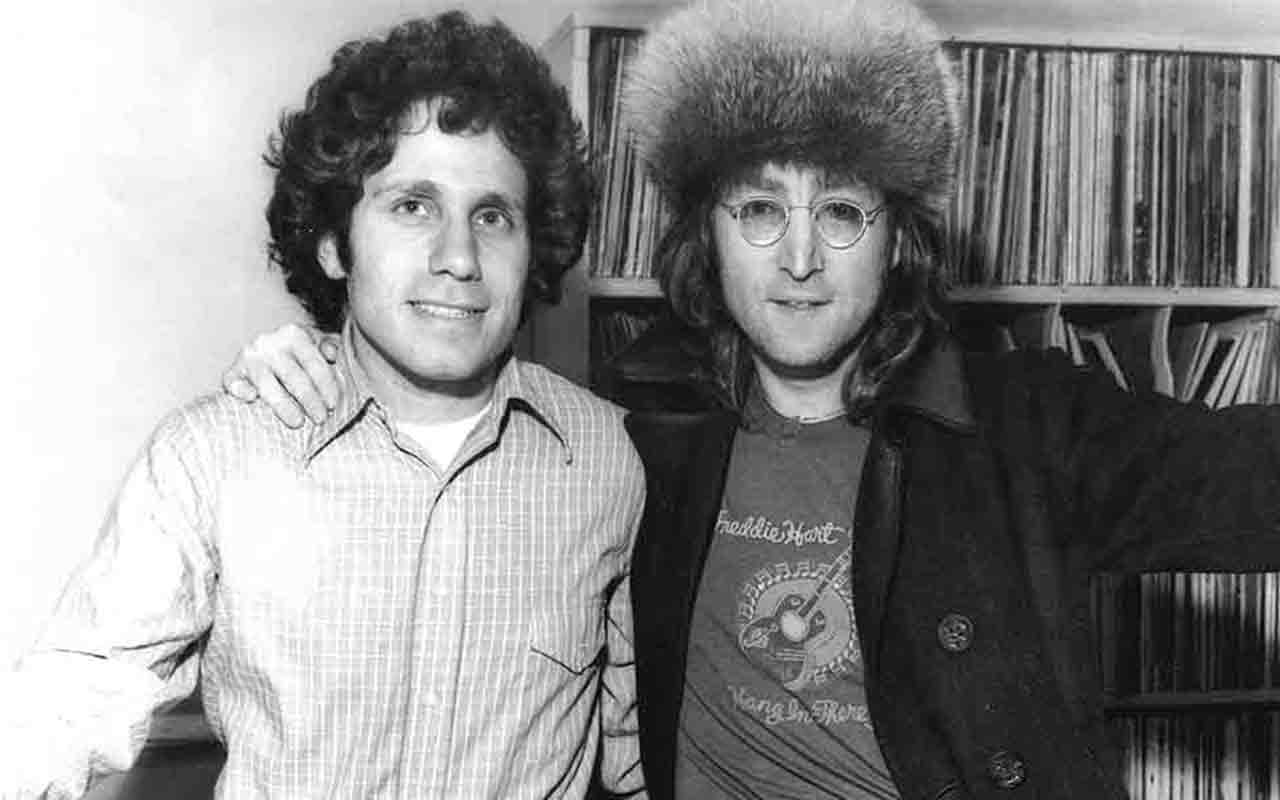
The John Lennon Interview
Without question my most memorable interview and on-air experience to date was on September 28, 1974, a Saturday afternoon I spent with John Lennon.
I had met him just a few weeks before at the Record Plant recording studio and casually asked him if he’d like to come up to the station to talk about his forthcoming album Walls and Bridges. I doubted anything would come of it, since none of the Beatles had ever visited our station before. When he showed up eager to talk, bringing with him some obscure 45’s he wanted to share with the audience, I didn’t know what to expect.
What began as an opportunity to promote the new album, turned into two hours of rare Beatle stories, insights into his immigration struggles, and John as the DJ, introducing and commenting on all the music, commercials and weather. Highlights from the interview can be heard in The Beatles Anthology, Eight Days a Week – The Touring Years, John Lennon’s Jukebox, and are featured prominently in the award winning PBS American Masters film, LENNONYC. The complete show is part of the permanent collection of the Paley Center For Media (formerly the Museum of Television and Radio) and the full interview transcript appears in the book Lennon on Lennon. The transcript and audio are now on John’s official website. The complete interview is presented here in ten chapters with my commentary on each of them. Here’s part one:
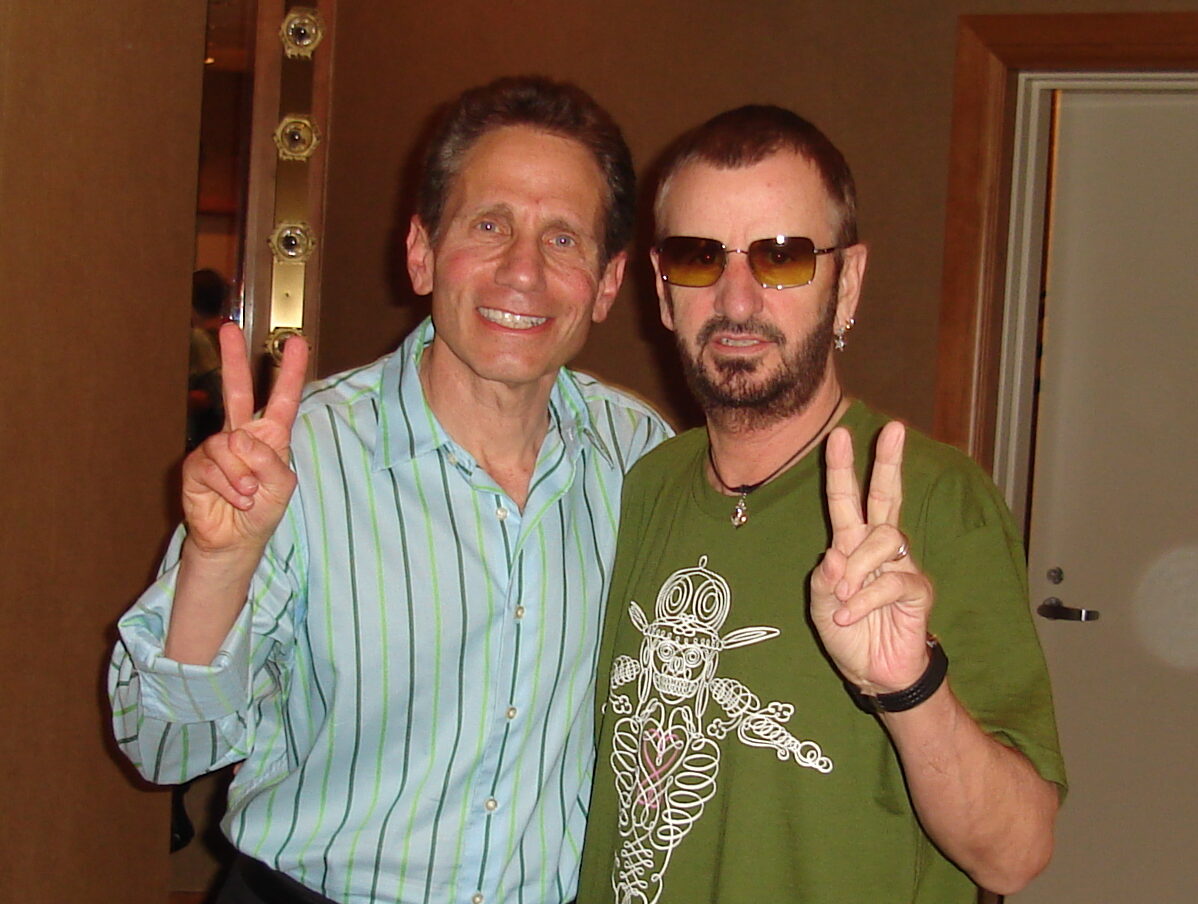
Ringo Starr
Ringo Starr released his 20th solo studio album What’s My Name in October 2019 following a very successful 30th anniversary tour with his band The All Starrs. In October the Beatles classic album Abbey Road was reissued with a brand new 2019 mix crafted by Giles Martin, son of original Beatles producer George Martin.
The new package also contained bonus material of previously unreleased alternate session takes. I’ve spoken with Ringo several times over the years and it was great to talk with him again just recently to get his perspective on all of it, including his cover of John Lennon’s “Grow Old with Me” featuring Paul McCartney on bass.
In March 2021 Ringo released a 5 song EP called Zoom and we spoke again . Listen here.
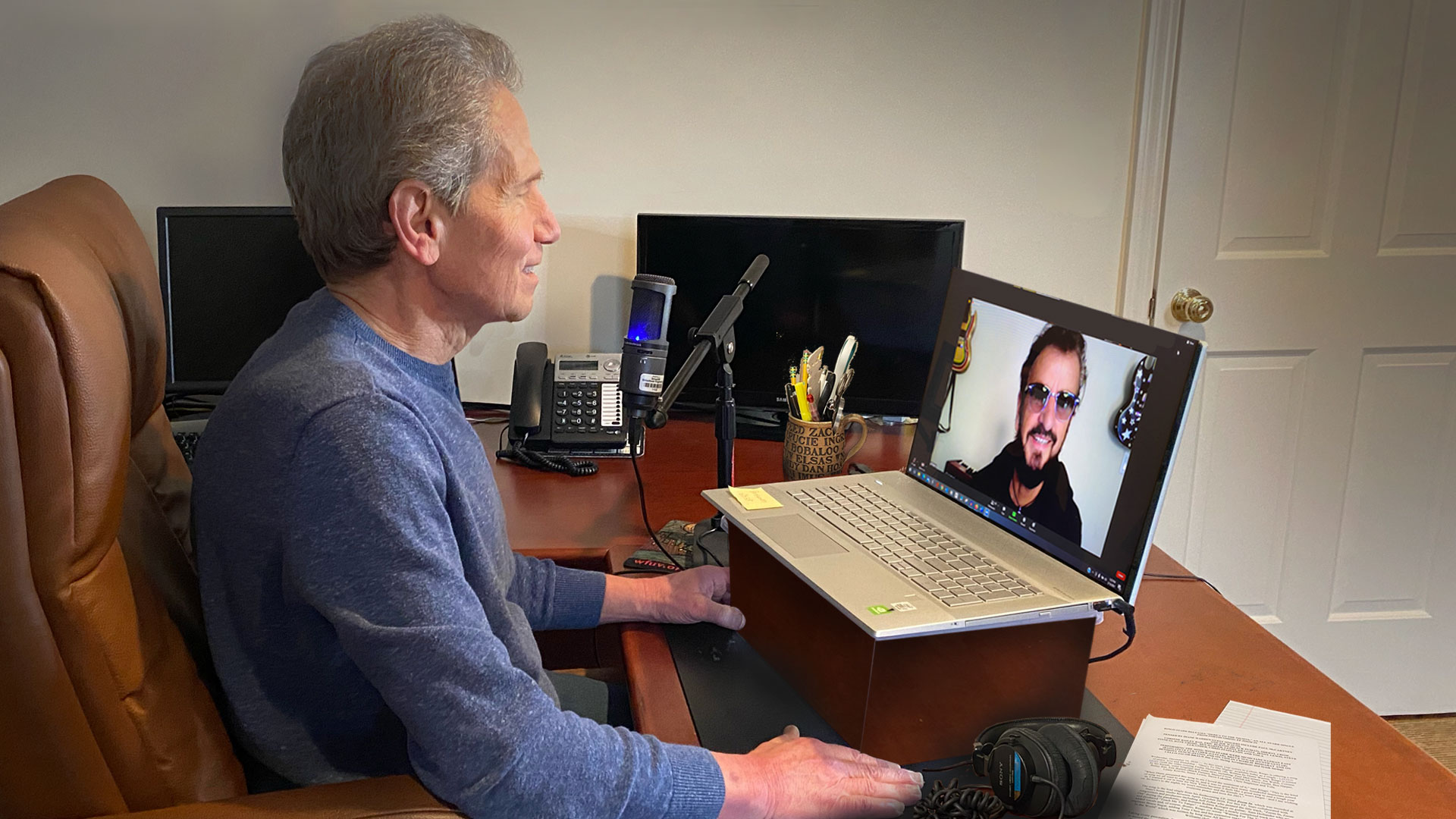
Ringo Starr – Zoom In
It’s always a special treat to talk with Ringo and it was great to catch up with him again in March 2021. Due to the Covid pandemic, in person meetings are not possible now, so Ringo and I used the perfect technology to talk about his new EP, “Zoom In” and his latest photo book, “Ringo Rocks” celebrating thirty years with The All Starrs. He continues to be incredibly positive, happy to be making new music and devoted to preaching the spirit and actions of “Peace and Love.”
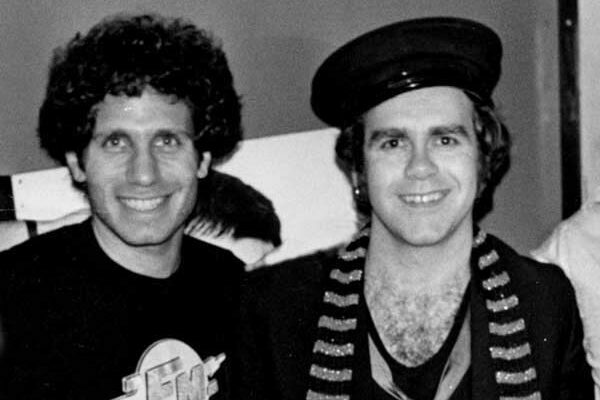
Elton John
Elton John was a frequent and welcome guest at WNEW-FM in the 1970’s. One of his most historic visits happened November 29, 1974, the day after Thanksgiving, when he stopped by to co-host my show. The night before he had performed at Madison Square Garden and welcomed a “surprise” guest on-stage. Though no one could have imagined it at the time, it would turn out to be John Lennon’s final concert performance and we discussed how it happened.
Jerry Garcia – The Grateful Dead
When I met up with Jerry Garcia for a PM Magazine TV interview in a NY hotel room in late Fall 1984, the Grateful Dead were about to celebrate their 20th anniversary. The band had already begun to attract a second generation of Deadheads — extremely loyal fans who may have been too young to experience the 60’s firsthand, but were determined to embrace the experience in every way possible.
Jerry was in town to play a show with John Kahn at the nearby Capitol Theatre in Passaic, NJ. It was just one of several side projects he would often pursue. Relaxed and happy, it was surprising and sad when just a few months later he entered a difficult period that lasted nearly two years plagued by drug and health issues. Happily he and the band recovered to record 1987’s In the Dark, the album that would provide them with their first (and only) Top 10 single “Touch of Grey” (and the introduction of Cherry Garcia ice cream). “The long strange trip” would continue for almost eight more years until his untimely death in August 1995.
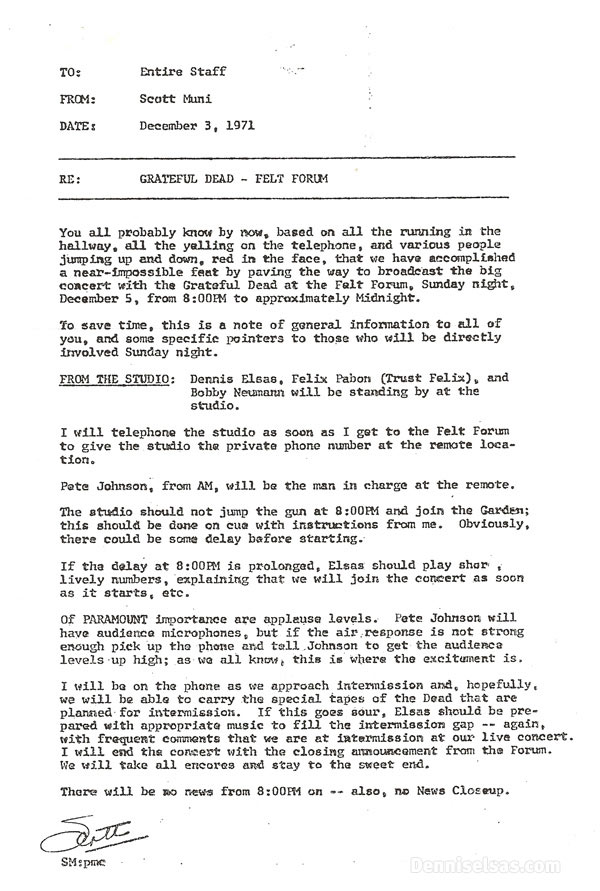
My first Dead working experience (not just as a listener) was as part of a historic broadcast on December 5, 1971, from New York’s Felt Forum a mid-sized theatre within Madison Square Garden. As was often the case that year, The New Riders of the Purple Sage were the opening act for the Grateful Dead. A Bill Graham production, it was the first live radio broadcast of the Dead in New York City and one of their earliest ever. We had the broadcast at 102.7 WNEW-FM and as the new kid on the staff, I was back at the studio to handle the station ID’s and be ready in case anything went wrong. In his role as Program Director, the legendary Scott Muni outlines the evening’s events as they are expected to unfold in this wonderful memo.